Buying guide
How to buy tires
The only thing connecting your vehicle to the road. Here's how to choose well.
Tire types
| Type | Best for | Good to know |
|---|---|---|
| All-season | Daily drivers in mild climates | Quiet, long tread life and good wet grip. Not a substitute for winter tires in snow and ice. |
| Summer / performance | Sports cars and spirited driving | Maximum dry and wet grip and sharp steering. Lose grip and harden below about 45°F. |
| All-weather | Four seasons with light snow | Carry the three-peak mountain snowflake symbol for severe snow, yet are designed to be driven all year. |
| Winter | Snow, ice and cold | Soft compound and deep siping stay flexible in the cold. Swap them off in spring. |
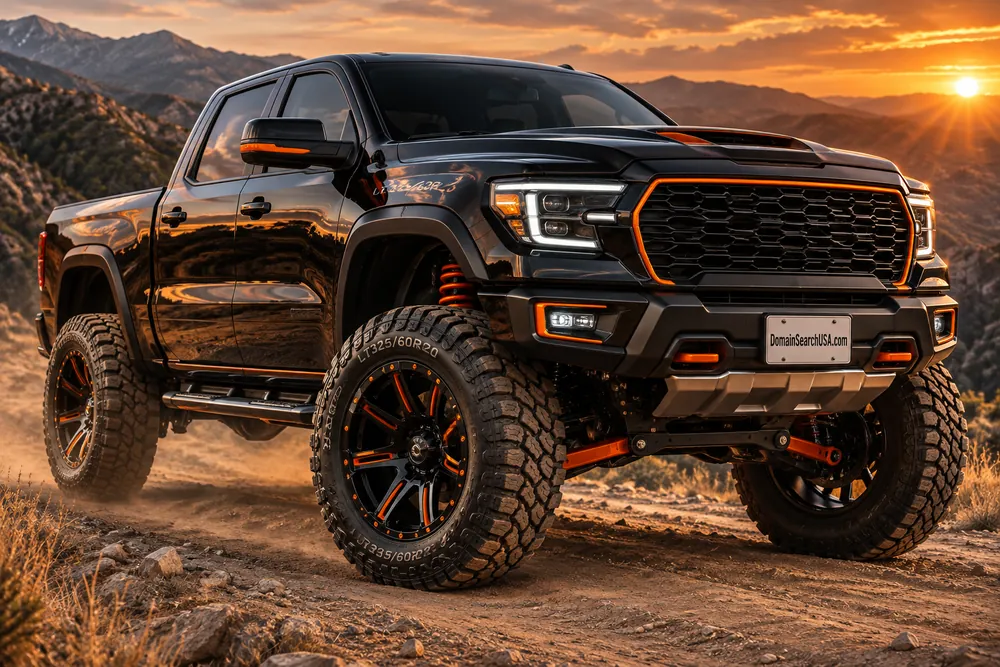
| All-terrain (A/T) | Trucks and SUVs, road and trail | A balance of on-road manners and off-road traction. The most popular upgrade for pickups. |
| Mud-terrain (M/T) | Serious off-road | Big, open tread blocks for mud and rocks. Louder and wear faster on pavement. |
Match these to your vehicle
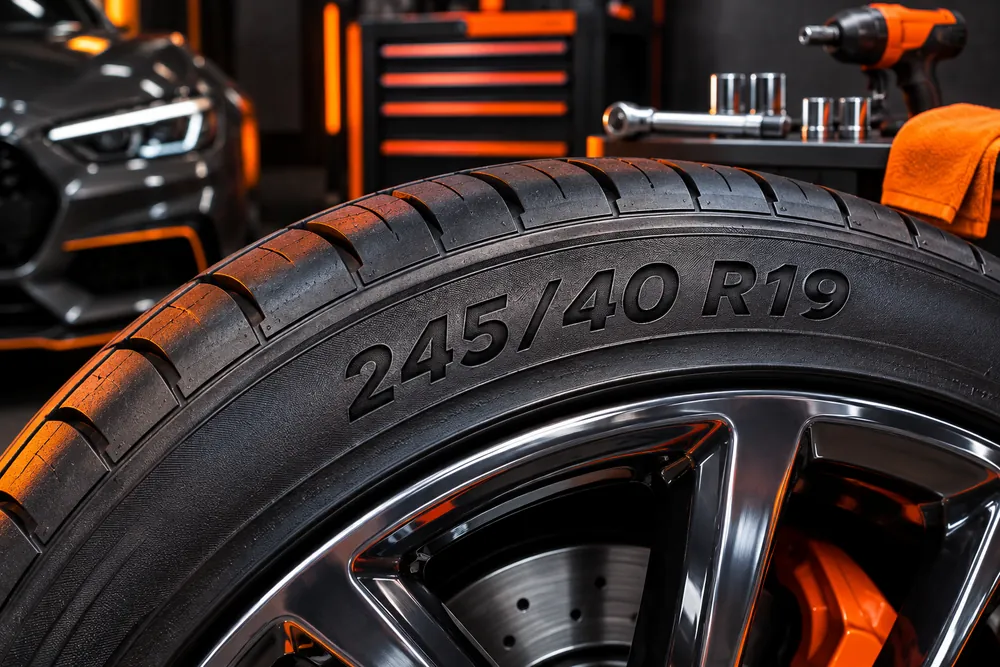
- Size: on the door-jamb sticker (how to read it)
- Load index: equal or higher than original
- Speed rating: equal or higher than original
When to replace
At 2/32" of tread, tires are legally worn out in most states; many experts recommend replacing at 4/32" for wet and snow grip. Replace tires that are cracked, bulging or about six to ten years old.
Shop tires
As an Amazon Associate we earn from qualifying purchases. Links go to Amazon search results so you can compare options and prices.

Get the size right first
Compare any two tire sizes and see the real diameter and speedometer difference before you buy.